Introduction
Modern packaging is no longer just a means of product protection. Today it has become an important part of marketing, communication and building brand trust. Buyers expect from packaging not only attractive design, but also useful information, convenience and interactivity. That is why QR codes on the product packaging are becoming one of the key tools for brands across industries.
QR code allows to connect the physical product with the digital environment and continue the dialog with the buyer after the moment of purchase. In this article, we will discuss in detail why brands need QR codes on packaging, what tasks they solve and how to use this tool correctly to increase sales and loyalty.
What is a QR code on the package of goods
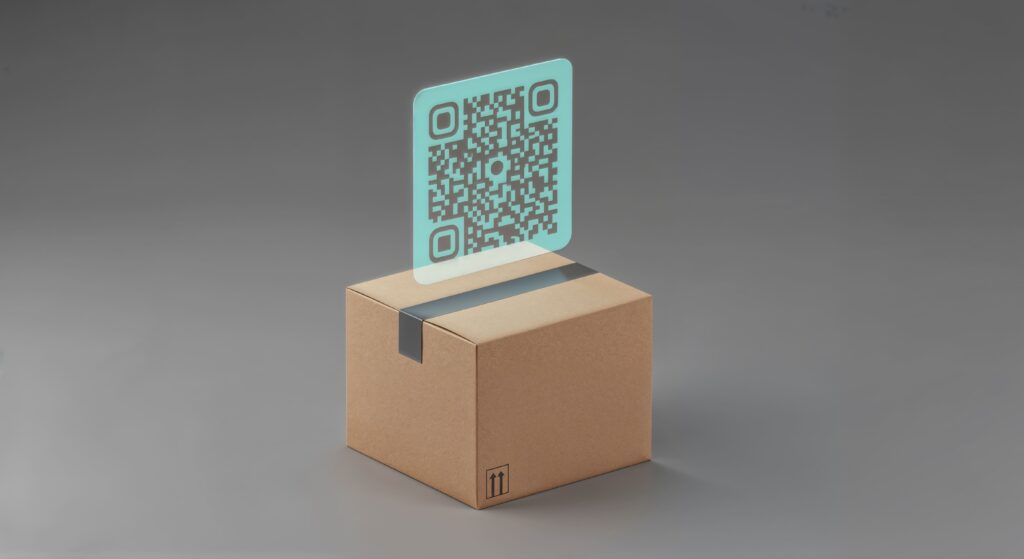
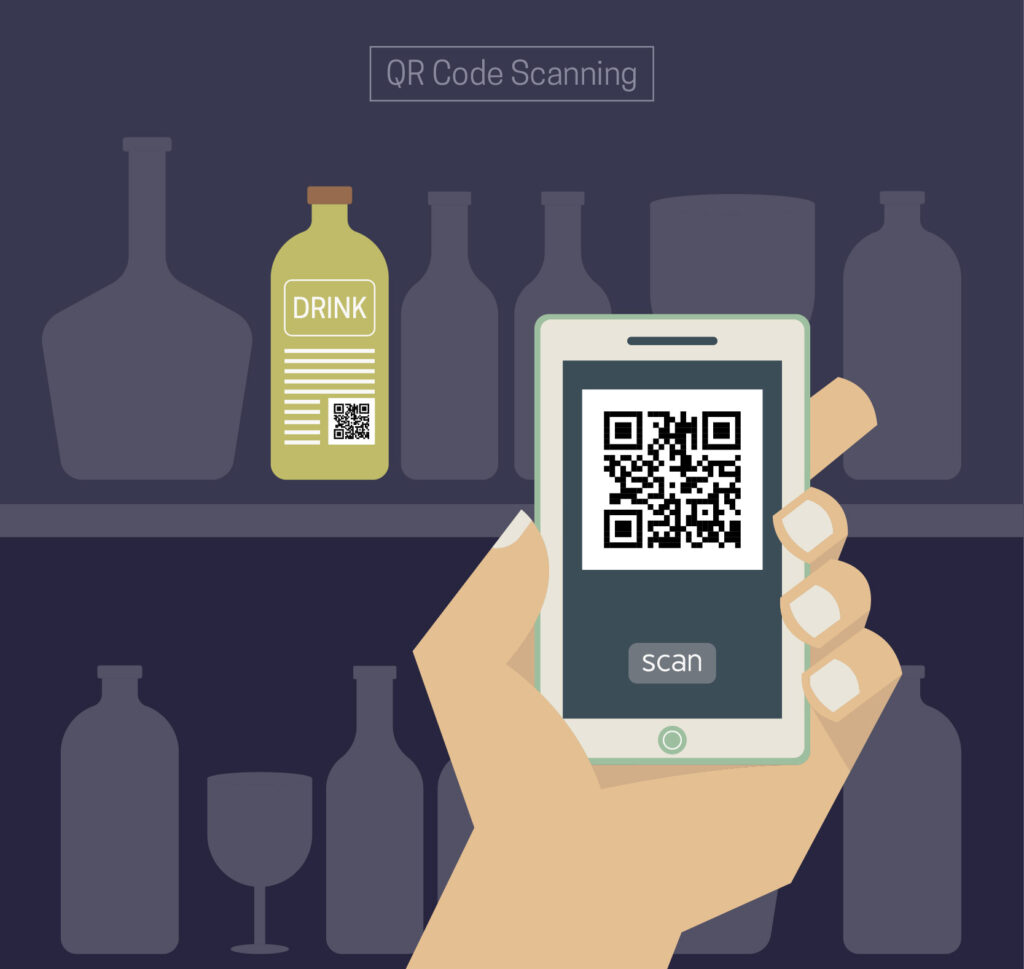
The QR code on the package is a digital identifier that leads the buyer to additional online content. Unlike regular text on the package, a QR code is not limited by the amount of information. It can lead to a product page, video instructions, certificates, testimonials, promotions or a feedback form.
In this way, packaging is no longer static. It becomes an interactive marketing element that continues to work with the customer even after the product is in their home. For brands, this means being able to accompany the customer throughout the entire product lifecycle.
Why QR codes on packaging are important for brands
One of the main reasons for the introduction of QR codes on the packaging is the growth of trust. The buyer gets an opportunity to check the information about the product, see the quality confirmation, familiarize himself with certificates and real reviews. This is especially important in categories where the decision to buy is directly related to the safety and composition of the product.
Involvement is no less important. A QR code turns a buyer from a passive consumer into a participant in interaction with the brand. He can watch a video review, get advice on application, learn the history of the brand or take part in a promotion. This forms an emotional connection and increases the likelihood of a repeat purchase.
In addition, QR codes allow brands to save space on packaging. Instead of cluttered small text, you can place concise information and give access to extended data via QR code. This approach makes for a cleaner and more modern design.
Another important aspect is anti-counterfeiting protection. QR codes can be used to verify the authenticity of products, which is especially relevant for cosmetics, pharmaceuticals and electronics. For the brand, this is a way to protect its reputation, and for the buyer it is an additional guarantee of quality.
In which industries QR codes on packaging work best
QR codes on product packaging are especially effective in cosmetics and perfumes, where it is important for the buyer to see the composition, methods of application and quality confirmation. In food products QR codes help to tell about the origin of ingredients, give recipes and nutritional value. In pharmaceuticals and dietary supplements, QR codes are used for instructions, certificates and advice.
In the household chemicals segment, QR codes help to convey information about safety and correct use. In clothing and accessories, they tell about the brand, collections and care rules. In electronics, they give access to instructions, warranty service and technical support.
In fact, QR codes on packaging are suitable for almost any product where trust, service and additional information are important.
Where the QR code from the packaging can lead
A QR code on a package can be an entry point into a brand's entire digital ecosystem. It can lead to a specific product page that details features, benefits and testimonials. It can open a video tutorial or demonstration of the product in use. It can direct the user to a promotion, loyalty program or warranty registration page.
QR codes are also often used to collect feedback, to go to messengers, social networks or chat support. Thus, the packaging becomes not just a carrier of information, but a full-fledged communication tool.
Dynamic QR codes, which allow you to change the content of a link without replacing the packaging itself, are particularly effective. This gives brands flexibility and the ability to constantly update content.
Why it's important for brands to use dynamic QR codes
Dynamic QR codes allow a brand to be independent of the printed run of the package. Even if the information has changed, the link inside the QR code can be updated at any time. This is especially important for promotions, seasonal offers, instructional updates and marketing campaigns.
In addition, dynamic QR codes provide access to analytics: how many times the code was scanned, in which regions, from which devices. This data helps brands better understand customer behavior and optimize their marketing decisions.
In this way, the QR code on the packaging becomes a data source and a customer experience management tool.
How to correctly place QR codes on the packaging
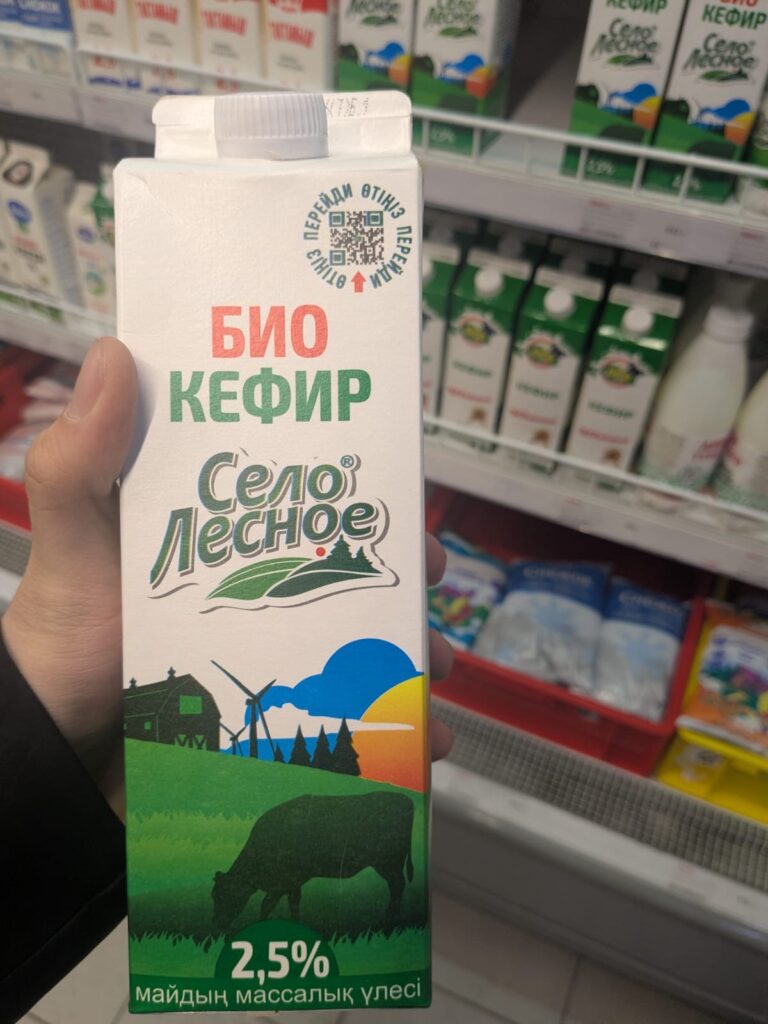
In order for a QR code on the package to really work and not perform a decorative function, its placement must be thought out at the level of design and user experience. First of all, the QR code should be clearly visible. It should not blend in with the background, overlap with graphics or be located in the fold area of the package. The contrast between the code and the background is one of the keys to successful scanning.
The size of the QR code also plays an important role. A code that is too small becomes awkward to scan, especially in low light or on a glossy surface. It is important for brands to consider that packaging can be viewed from different distances, so the QR code must remain readable in a real store environment.
It is equally important to accompany a QR code with explanatory text. A simple inscription «Scan to learn more», «Get instructions», «Check the authenticity of the product» or «Get a bonus» significantly increases the probability of interaction. The buyer should immediately understand the value they will receive after scanning.
Testing requires special attention. Before launching a mass run of packaging, QR codes should be tested on different devices, under different lighting and from different angles. Even small color distortions, glare or poor printing can cause the code to become unreadable. For the brand, this means not only a loss of functionality, but also a deterioration in the perception of the product in the eyes of the customer.
Thus, proper QR code placement is a combination of design, technical accuracy, and understanding of buyer behavior.

Typical Brand Mistakes
One of the most common mistakes is a formal approach to QR codes. Many brands place them «because that's what everyone else does» without thinking through what task this tool should solve. As a result, the QR code leads to the main page of the site, which is not adapted for mobile devices, or to a page with no specific value for the user.
Another mistake is outdated content. When a QR code leads to an irrelevant promotion, an old manual or a page that doesn't work, trust in the brand decreases dramatically. The buyer perceives it as a sign of the company's careless attitude to its product.
Often brands also forget about user logic. If it is not clear to a person why to scan a QR code, he will not do it. The lack of explanation turns a QR code into a visual element with no functional value.
Finally, technical errors - low quality of printing, poor contrast, placement in inconvenient areas of the package - lead to the fact that even an interested user cannot successfully scan the code. As a result, the QR code ceases to fulfill its task and starts working against the brand.
How QR codes on packaging help to increase sales
QR codes on packaging allow brands to build a continuous communication with the customer after the moment of purchase. This is especially important because most marketing channels end at the checkout, while the QR code continues to work at the customer's home.
Through a QR code, a brand can offer a personalized offer, a bonus for a repeat purchase, participation in a loyalty program or access to exclusive content. This approach forms an emotional connection and increases the likelihood of a second visit to the brand.
In addition, QR codes help collect data on customer behavior. Scan analytics show which products generate more interest, which regions respond more actively to packaging, and which campaigns perform better. This data allows brands to make more accurate marketing decisions.
In fact, the QR code turns the packaging into a permanent sales channel that works without additional advertising costs. Each unit of goods becomes a carrier of a marketing tool that continues to attract the client even after the first purchase is completed.
Why brands are comfortable using SuperQR
SuperQR allows brands to use QR codes not as a one-off design element, but as a manageable digital tool. The service enables brands to create dynamic QR codes, change the content of links at any time, analyze the statistics of scans and adapt content to marketing tasks.
For brands, this means flexibility. You can launch promotions, update instructions, change pages without having to reprint the packaging. This is especially important for large-scale production, where any change in packaging is costly.
In addition, SuperQR helps make QR codes part of a unified marketing strategy rather than a separate element. The brand gets a tool that works for trust, engagement, analytics and sales growth at the same time.
Conclusion
QR codes on the product packaging - is a modern and effective way to make packaging part of a brand's digital ecosystem. They increase trust, engagement, loyalty and help increase sales.
Brands that use QR codes on their packaging gain a direct channel of communication with the customer and a significant competitive advantage.