The age of marketplaces: convenience that comes at a price
In recent years, marketplaces have become the main sales channel for thousands of companies. They offered businesses a ready audience, fast delivery and easy integration. But over time it became clear - this convenience has a downside.
When a business relies entirely on a marketplace, it actually builds its activities on someone else's platform. Terms, algorithms, commissions - everything is regulated by the platform. Today, commissions reach 40-50%, promotion algorithms change without warning, and an account can be blocked because of a single complaint.
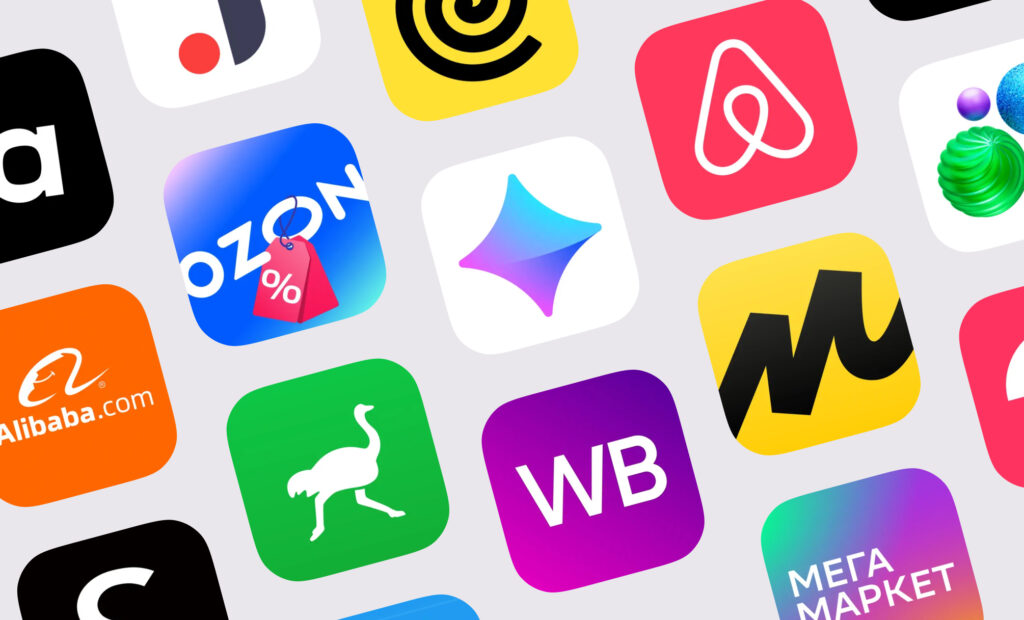
The main thing is that the entrepreneur loses control over his client. The customer remembers the site, not the brand: «bought on Wildberries.», «ordered on Ozon.». Even if the product is liked, a repeat purchase will not necessarily happen from the same seller. Loyalty is formed to the platform, not to the company.
This is how a business loses its most valuable asset - a direct connection with the customer and the ability to build long-term relationships.
Loss of brand and loyalty control
Marketplaces have created the illusion of simplicity: you don't have to think about promotion, advertising and service - everything is already there. But it is this dependence that has become the key vulnerability.
Brands no longer own their audience. There is no access to customer contacts, it is impossible to offer personal terms, a loyalty program or collect feedback. The customer becomes «anonymous» - he interacts with the marketplace interface, not with the company.
In addition, the site dictates the format of brand presentation. You can't tell a story, show a philosophy or stand out visually - product cards look the same. As a result, brands lose their individuality, and their marketing turns into a battle for price and a place in display.
Meanwhile, in the digital economy, identity and trust are becoming key success factors. When a customer knows who they are buying from and can contact the company directly, loyalty and repeat purchases multiply.
The new trend is direct sales and digital autonomy
In the West, this shift has already taken place. The big brands - Nike, Patagonia, Birkenstock - have abandoned marketplaces and relied on the D2C (Direct-to-Consumer) model: direct sales without intermediaries.
The reason is simple - control of the customer experience. The brand itself manages communication, pricing, service and analytics. This allows you to build a sustainable ecosystem where the customer comes back not because of discounts, but because of trust and personalization.
In Russia, this trend is only gaining momentum. More and more companies are realizing: to depend on an external platform is to risk their business.
Brands are starting to build their own digital platforms, websites, Telegram channels and mobile services. They want to own the data, manage content themselves and see the full picture of customer interactions.
How to build independent communication
Creating your own channel is not just an «alternative to marketplaces», but the foundation of a company's digital independence. In today's world, a brand must be able to communicate with the customer directly, regardless of external platforms.
Basic tools to help build such communication:
- Own your own website or digital storefront. This is the core of the online presence where the brand controls the visual presentation, content and analytics.
- Social media and messengers. Telegram, VK, YouTube - spaces where trust is formed and community around the brand is created.
- CRM systems and chatbots. Allow you to automate communications, personalize offers and retain customers.
- QR technologies. A universal bridge between offline and online: a customer can instantly get to the right page, access a service, leave a review or place an order.
A business that integrates these channels into a single system gets more than just a stream of sales - it builds a digital ecosystem where every touchpoint works for brand awareness and loyalty.
SuperQR is a tool that combines everything in one code
SuperQR is a universal digital platform for business based on QR technology. It solves the key task of a modern brand - to connect all communication and management channels in one tool.
A single SuperQR QR code is capable of:
- Combine website, social media, messengers, reviews and payment in one interface;
- Give analytics on each interaction and track conversions;
- Collect feedback and data for CRM;
- automate processes - from applications and bookings to promotions and surveys;
- work in any environment: packaging, business card, window display, advertising, event.
SuperQR turns every QR code into a live point of contact between brand and customer. It's not just a link - it's a mini-ecosystem where the customer can take action and the company gets analytics and keeps a direct connection.
For businesses, it means one thing:
Instead of a multitude of disparate tools, a single digital platform is emerging to help retain customers, increase engagement and manage real-time communication.
Digital independence is not a trend, but a necessity
The world is moving to direct communications and personalized customer experience. The companies that win are those that own their data, manage their content and are not dependent on external platforms.
Building your own digital channel is not just a step toward growth, but a strategy to protect your business.
And solutions like SuperQR make this transition fast, technologically advanced and efficient.
Today, a single QR code can replace dozens of links, integrations and marketing tools.
Tomorrow - these are the kind of universal platforms that will become the core of any brand's digital infrastructure.
SuperQR helps businesses get closer to customers, control communications and create their own digital space - simple, flexible and independent.